Why Is Your AC Not Cooling Properly? Causes, Diagnosis and Solutions
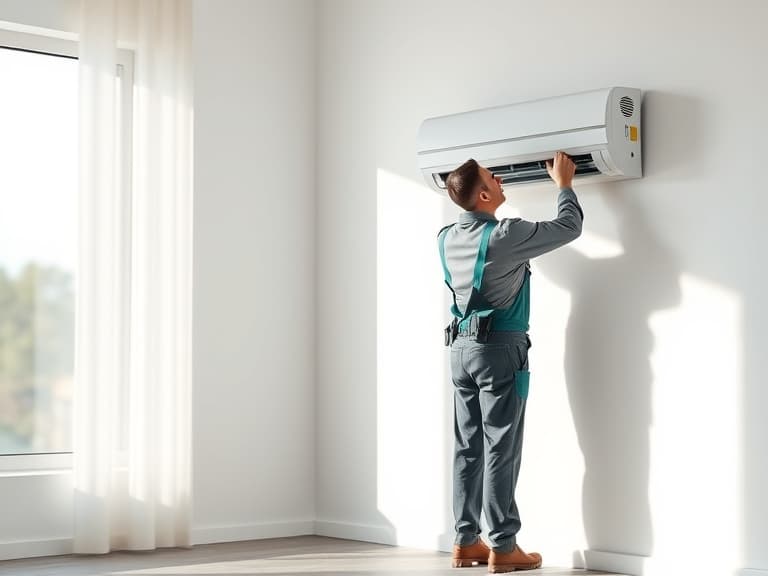
An air conditioner that is running but not cooling the room properly is one of the most common problems faced by AC owners. The situation can be confusing because the indoor unit may be blowing air, the remote may work normally, and the outdoor unit may appear to be running. Yet the room remains warm or takes much longer than usual to become comfortable.
Weak cooling does not always mean that the AC needs gas filling. Several different problems can produce similar symptoms, including dirty filters, blocked coils, restricted airflow, drainage issues, refrigerant leakage, sensor faults and outdoor-unit problems.
Understanding the possible causes can help you identify when a simple cleaning is enough and when professional AC service is necessary.
1. Dirty or Blocked Air Filter
The air filter is one of the first things to check when an AC starts giving weak cooling.
The filter collects dust and particles from the air passing through the indoor unit. As dirt accumulates, airflow can become restricted. This means the AC may have difficulty circulating enough air through the cooling coil.
A heavily blocked filter can therefore affect both airflow and cooling performance. ENERGY STAR and the U.S. Department of Energy recommend regular filter maintenance as an important part of air-conditioner care.
For frequently used ACs, checking the filter regularly is a simple maintenance habit.
Daikin India recommends cleaning split-AC filters approximately every two weeks, although the appropriate frequency depends on the model, usage and environment.
What you can do
Switch off the AC, remove the filter according to the manufacturer’s instructions and clean it appropriately. Make sure the filter is completely dry before reinstalling it.
If the filter becomes dirty again very quickly, the surrounding environment and deeper internal contamination may need attention.
2. Dirty Evaporator Coil
The filter is not the only part that collects dust.
Over time, dirt can accumulate on the evaporator coil behind the filter. This coil plays an important role in removing heat from indoor air.
When the coil becomes heavily contaminated, airflow and heat transfer can be affected. The AC may then need to operate for longer periods to achieve the desired temperature.
Professional AC maintenance generally includes inspection and cleaning of the evaporator coil when necessary. ENERGY STAR specifically notes that dirty coils can reduce cooling capability and cause the system to run longer.
This is one reason a simple filter wash may not solve every cooling problem.
3. The Outdoor Unit Is Dirty
A split AC has two major sections: the indoor unit and the outdoor unit.
The indoor unit removes heat from the room, while the outdoor unit releases that heat outside. The condenser and outdoor fan therefore need adequate airflow.
Dust, leaves and other debris around the outdoor unit can restrict airflow and make heat rejection more difficult.
The U.S. Department of Energy recommends keeping the outdoor components of split systems clear of debris, while manufacturers such as Daikin also emphasize keeping the outdoor air path unobstructed.
If the outdoor unit is installed in a restricted area, its operating conditions should also be checked.
4. Low Refrigerant or Refrigerant Leakage
Another possible cause of poor cooling is insufficient refrigerant.
However, low refrigerant does not automatically mean that the AC simply needs routine gas filling.
In a properly functioning sealed refrigeration system, refrigerant should not continuously disappear. If the refrigerant level is low, a leak may be present.
Possible areas include:
- Copper-pipe connections
- Flare joints
- Service valves
- Evaporator coil
- Condenser coil
- Other refrigeration-system connections
If a technician finds low refrigerant, the cause should be investigated before charging the system.
Manufacturer guidance also links low refrigerant with possible leakage and recommends professional attention.
Repeatedly adding refrigerant without addressing a leak can turn into a recurring expense.
5. Blocked Drain Pipe
An AC produces condensation while operating.
Normally, this water collects in the drain tray and leaves through the drain pipe. If the drainage path becomes blocked, water may accumulate inside the indoor unit.
This can lead to water dripping from the AC.
A drainage problem does not necessarily explain weak cooling by itself, but it is an important sign that the indoor unit needs inspection.
Daikin advises checking whether water is flowing properly from the drainage end and recommends contacting a service professional if water is leaking from the indoor unit.
6. Frozen Indoor Coil
Sometimes an AC develops ice or frost around the indoor coil or copper pipe.
This can happen for different reasons, including restricted airflow or refrigerant-related problems. A dirty filter can contribute to insufficient airflow, while refrigerant issues may also need investigation.
If you notice ice formation, do not simply continue running the AC for hours hoping that the problem will disappear.
Turn the system off as appropriate and have the underlying cause checked.
7. Incorrect Temperature or Operating Mode
Before calling a technician, check the simple things first.
Make sure the AC is actually operating in Cool mode rather than Fan, Dry or another mode. Also check the temperature setting and make sure doors and windows are properly closed.
Daikin’s troubleshooting guidance similarly recommends checking the filter, indoor and outdoor airflow, thermostat, doors/windows and operating mode when cooling is poor.
A small setting issue can sometimes look like a technical problem.
8. Weak Indoor Airflow
If very little air is coming from the indoor unit, the problem may be related to airflow rather than refrigerant.
Possible causes include:
- Dirty filter
- Dirty evaporator coil
- Blower contamination
- Blower motor issue
- Obstruction
- Control problem
Airflow should be checked before deciding that the compressor or refrigerant system is at fault.
ENERGY STAR notes that airflow problems can reduce system efficiency, while proper blower maintenance is part of a professional cooling-system check-up.
9. Sensor or Electrical Problems
Modern ACs contain sensors and electronic control components.
If a temperature sensor is giving incorrect information, the AC may not operate as expected. Electrical problems can also cause unusual operation, repeated shutdowns or failure of individual components.
Do not attempt to open electrical sections of the AC if you are not qualified to work on them.
A technician can inspect the electrical connections, controls and relevant components safely.
10. Poor AC Installation Can Cause Future Problems
Sometimes the problem begins during installation.
Incorrect drainage, poor copper-pipe connections, inadequate insulation or restricted outdoor-unit airflow can create problems that appear weeks or months later.
For split AC installation, manufacturers identify tasks such as indoor and outdoor-unit mounting, copper-pipe connection, vacuuming, testing and drainpipe installation as important parts of the installation process.
This is why installation quality matters just as much as later maintenance.
How Can You Identify the Actual Problem?
When an AC is not cooling, avoid jumping directly to one conclusion.
A sensible troubleshooting process is:
Step 1: Check the operating mode and temperature setting.
Step 2: Inspect the air filter.
Step 3: Check whether airflow from the indoor unit is normal.
Step 4: Look for unusual ice formation or water leakage.
Step 5: Check whether the outdoor unit is operating and has adequate airflow.
Step 6: If the problem continues, arrange professional inspection.
A technician can then inspect the coils, blower, drainage, electrical components and refrigeration system as required.
Does Every AC Need Regular Gas Filling?
No.
This is an important misconception to avoid.
Refrigerant is not supposed to be consumed like fuel. If the system has insufficient refrigerant, there may be a leak or another fault that needs attention.
Gas charging can be part of a repair, but it should not automatically be treated as routine maintenance.
A professional should determine whether refrigerant is actually required and whether the system has a leakage problem.
How Regular Maintenance Helps
Regular maintenance is not just about making the AC look clean.
A proper maintenance check can include:
- Filter inspection
- Evaporator-coil cleaning
- Condenser inspection
- Drain inspection
- Airflow check
- Electrical inspection
- Refrigerant-system assessment
- Operating-temperature check
- General performance testing
ENERGY STAR recommends professional pre-season cooling-system check-ups and lists coil cleaning, drain inspection, refrigerant checks and airflow-related checks among typical maintenance activities.
Daikin also recommends periodic maintenance by a qualified technician in addition to regular user-level filter cleaning.
When Should You Call an AC Technician?
You should consider professional AC repair or servicing when:
- The AC continues running but cooling remains poor
- Ice repeatedly forms on the indoor unit
- Water leaks from the indoor unit
- The outdoor unit is not operating correctly
- You hear unusual mechanical sounds
- There is a suspected refrigerant leak
- The AC repeatedly switches off
- Cleaning the filter does not solve the problem
- Electrical or sensor faults are suspected
Trying to repair refrigeration or electrical components without the appropriate knowledge can create additional problems.
Final Takeaway
An AC that is not cooling properly does not necessarily have one specific fault.
The cause could be something as simple as a dirty filter or as complicated as a refrigerant leak, electrical fault or compressor problem.
The most useful approach is therefore diagnosis before repair.
Keep the filters clean, make sure the indoor and outdoor airflow is not blocked, pay attention to unusual symptoms and arrange professional maintenance when the basic checks do not solve the problem.
For customers using Telangana AC Service, understanding the cause of an AC problem can also help avoid unnecessary repairs and repeated gas charging.
A well-maintained air conditioner is more likely to provide consistent cooling, and identifying small problems early can help prevent them from becoming larger service issues.