
Why Is AC Service Important? Benefits, Process and Maintenance Tips
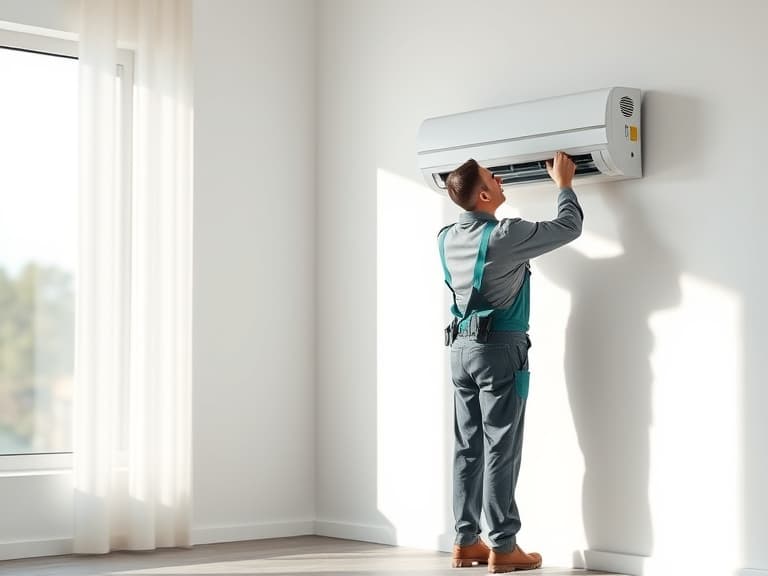
An air conditioner can appear to be working normally while dust builds up inside its filters, dirt collects around the coils or the drainage system slowly becomes blocked. You may not notice these changes immediately. Over time, however, they can affect airflow, cooling performance and the way the system operates.
This is one reason regular AC service should not be ignored. Many people arrange a service appointment only after their AC stops cooling or starts leaking water. But servicing is also about checking the condition of the unit and taking care of smaller issues before they become bigger problems.
Whether you use an air conditioner at home, in an office or in a commercial space, proper maintenance helps keep it in suitable working condition.
In this article, we will explain why AC service is important, what a professional service generally includes, how often an AC should be serviced and what you can do to maintain it between service visits.
What Is AC Service?
AC service is the process of cleaning, inspecting and checking an air conditioning system to maintain its normal operation.
An air conditioner contains several components that work together to cool indoor spaces. These include air filters, evaporator coils, condenser coils, fans, drainage components, electrical parts and the refrigerant circuit.
Over time, dust and dirt can collect on some of these components. Regular inspection helps identify conditions that may affect airflow, cooling or drainage.
Depending on the condition and model of the AC, a professional service may include:
- Cleaning or inspecting the air filter.
- Checking the indoor unit and blower.
- Inspecting the evaporator and condenser coils.
- Checking the outdoor unit and surrounding ventilation.
- Inspecting the drain tray and drainage pipe.
- Checking cooling performance.
- Inspecting electrical connections and operating components.
- Identifying faults that may require separate repairs.
The exact work can vary depending on the AC type and the service package. A routine service is not a replacement for repairing damaged components.
Why Is Regular AC Service Important?
An air conditioner works for many hours, particularly during periods when cooling is needed throughout the day. Without proper care, dirt accumulation and unnoticed faults can affect its performance.
Here are some important reasons to arrange regular AC service.
1. Helps Maintain Cooling Performance
One of the first things people notice when an AC needs attention is a change in cooling.
You may find that the room takes longer to cool or that the airflow does not feel as strong as before. A dirty air filter can restrict the amount of air passing through the system. Dust on the coils can also affect heat transfer.
During servicing, these components can be inspected and cleaned when necessary. This helps the air conditioner operate under more suitable conditions.
2. Helps Improve Airflow
The air filter plays an important role in an air conditioning system. It collects dust and airborne particles before they enter other parts of the unit.
When the filter becomes clogged, airflow can decrease. The AC may then struggle to circulate air properly.
Cleaning the filter according to the manufacturer’s instructions is a simple but important maintenance task. A technician can also check the blower and other components if airflow remains weak.
3. Helps Identify Problems Before They Get Worse
Not every AC problem begins with a complete breakdown.
A small water leak, unusual noise, loose connection or change in cooling performance may be an early indication that something needs attention.
A professional inspection can help identify these signs. Although servicing cannot prevent every breakdown, it gives technicians an opportunity to find developing issues and recommend the appropriate action.
4. May Help Avoid Unnecessary Energy Consumption
A dirty filter or restricted airflow can make an air conditioner work harder to provide the required cooling.
When the system is maintained properly, it has a better chance of operating as intended. Cleaning filters and inspecting important components can help address problems that affect performance.
However, servicing does not guarantee a fixed reduction in electricity bills. Energy consumption also depends on the AC’s age, capacity, temperature setting, usage and room conditions.
5. Helps Maintain Drainage
An air conditioner removes moisture from the air while cooling. This moisture is collected and carried away through a drainage system.
If the drain pipe becomes blocked, water may collect in the indoor unit and begin leaking into the room.
During servicing, the drain tray and pipe can be inspected for signs of blockage or poor drainage. This is particularly important if you have noticed water dripping from the AC.
6. Supports the Long-Term Condition of the AC
An air conditioner contains mechanical and electrical components that need proper care.
Ignoring unusual sounds, restricted airflow or repeated cooling problems may place additional strain on the system. Regular inspection helps you understand the condition of the unit and address issues when they are identified.
The actual lifespan of an AC depends on several factors, including product quality, installation, usage and maintenance. Regular service supports proper care but cannot guarantee a particular lifespan.
7. Helps Maintain a Comfortable Indoor Environment
A properly functioning AC helps maintain a comfortable indoor temperature.
When airflow is restricted or the filter is dirty, the cooling experience may become less satisfactory. Cleaning and maintaining the system can help it circulate air more effectively.
Remember that AC filters are not a complete replacement for proper ventilation or other indoor air-quality measures.
What Happens During a Professional AC Service?
Many people book AC service without knowing what work is actually performed. Understanding the process makes it easier to check whether the service covers the important parts of the unit.
Step 1: Initial Inspection
The technician begins by checking the general condition of the air conditioner.
They may ask about problems such as poor cooling, unusual sounds, water leakage or frequent switching on and off. The AC’s operation is observed to understand whether further inspection is required.
Step 2: Air Filter Cleaning
The air filter is inspected for accumulated dust.
If it is washable, the technician may clean it using an appropriate method. If the filter needs replacement, the correct type should be selected according to the manufacturer’s recommendations.
Step 3: Indoor Unit Cleaning
The indoor unit contains the evaporator coil, blower and drainage components.
Depending on the condition of the unit, the technician may clean accessible parts and inspect the components that affect airflow and cooling.
Step 4: Outdoor Unit Inspection
The outdoor unit releases heat from the refrigerant system.
Dust, leaves and other obstructions around the condenser can affect ventilation. The technician may inspect the coil, fan and surrounding area and clean them when required.
Step 5: Drainage Check
The drain tray and pipe are inspected to see whether water is flowing away correctly.
If there is a blockage or leakage, the technician can identify what needs attention.
Step 6: Performance Check
After the necessary cleaning and inspection, the technician may operate the AC and observe its performance.
Airflow, cooling behaviour and the operation of the indoor and outdoor units may be checked. If a fault is suspected, further diagnosis may be necessary.
Step 7: Service Feedback
At the end of the visit, ask the technician what was cleaned, what was inspected and whether any issues remain.
If additional repairs or replacement parts are recommended, request an explanation and estimate before approving the work.
How Often Should You Get AC Service?
There is no single service interval that applies to every air conditioner. The ideal schedule depends on the manufacturer’s recommendations, how frequently the unit is used, the surrounding environment and the condition of its components.
For example, an AC operating for several hours every day may require more attention than a unit used occasionally.
A practical maintenance routine includes:
- Checking the air filter regularly.
- Cleaning washable filters according to the user manual.
- Inspecting the area around the outdoor unit.
- Arranging professional servicing as recommended by the manufacturer.
- Booking an inspection when cooling or airflow changes.
- Keeping a record of previous service visits and repairs.
Some manufacturers recommend cleaning filters approximately every two weeks. However, check the instructions for your particular model rather than following one schedule for every AC.
Signs Your AC Needs Immediate Attention
Sometimes an air conditioner gives clear warning signs that it needs inspection. Ignoring these symptoms may allow an existing problem to continue.
Look out for the following:
AC Is Not Cooling Properly
If the AC runs but the room remains warm, there may be an issue with airflow, the coils, sensors or the refrigerant system.
Water Is Leaking from the Indoor Unit
Water dripping from the indoor unit may indicate a blocked drain pipe, drainage problem or another fault.
Unusual Noise During Operation
Rattling, grinding or buzzing sounds that were not present before should be checked.
Weak Airflow
If very little air comes through the vents, the filter, blower or another airflow-related component may need attention.
Ice Formation on the AC
Ice on the indoor coil or refrigerant pipe may be related to restricted airflow or a cooling-system problem.
Frequent On-and-Off Operation
Repeated switching on and off may indicate a thermostat, electrical or operating issue.
If you notice smoke, sparks, a burning smell or signs of electrical damage, switch off the AC and seek qualified assistance. Do not attempt to open electrical components yourself.
Different Types of AC Service
The type of service required depends on the air conditioner and its condition.
1. General AC Service
General service usually focuses on basic inspection and cleaning. It may include filter cleaning, checking airflow and inspecting the indoor and outdoor units.
The exact scope should be confirmed before booking.
2. Deep AC Cleaning
Deep cleaning involves more detailed cleaning of components where dust and dirt have accumulated.
Depending on the AC design and condition, this may include the evaporator coil, blower, drain tray and other accessible parts. The cleaning method should be suitable for the equipment.
3. AC Repair Service
Repair service is required when a specific component or system is not working correctly.
Examples include a faulty fan motor, damaged electrical component, refrigerant leak or defective sensor. The technician should diagnose the actual problem before recommending replacement parts.
4. Preventive AC Maintenance
Preventive maintenance focuses on regular inspection and care rather than waiting for a breakdown.
It may include checking filters, coils, drainage, electrical components and cooling performance according to the equipment’s requirements.
5. Split AC Service
A split AC has separate indoor and outdoor units. Both need appropriate inspection and cleaning.
The indoor unit requires attention to its filter, blower and drainage system, while the outdoor unit needs adequate ventilation and inspection of its condenser components.
6. Window AC Service
A window AC contains its main components in one cabinet. Its maintenance may include filter cleaning, coil inspection, fan checks and drainage inspection.
The service procedure should follow the manufacturer’s instructions for that particular model.
What Is the Difference Between AC Service and AC Repair?
AC service and AC repair are related, but they have different purposes.
| AC Service | AC Repair |
|---|---|
| Focuses on cleaning and maintenance | Focuses on fixing a specific fault |
| Includes inspection of components | Includes diagnosis of damaged or faulty components |
| Helps identify developing issues | Addresses an existing problem |
| May include filter and coil cleaning | May involve replacing or repairing parts |
| Usually follows a maintenance schedule | Is arranged when a fault occurs |
For example, if your AC is working normally but its filter needs cleaning, a routine service may be sufficient.
If the compressor is not operating or the unit is leaking refrigerant, cleaning alone will not solve the problem. A separate repair is required.
Simple AC Maintenance Tips You Can Follow at Home
Professional servicing is important, but there are also a few simple things you can do to look after your air conditioner between visits.
Clean the air filter: Check the filter regularly and clean it according to the manufacturer’s instructions.
Keep the air outlets clear: Avoid placing furniture, curtains or other objects directly in front of the indoor unit.
Maintain outdoor ventilation: Keep leaves, waste and other obstructions away from the outdoor unit.
Use suitable temperature settings: Choose a comfortable setting rather than repeatedly changing the temperature.
Pay attention to unusual sounds: A sudden change in operating noise should not be ignored.
Watch for water leakage: If water starts dripping from the indoor unit, arrange an inspection.
Keep service records: Note the date of servicing, work completed and any parts replaced.
Never attempt refrigerant handling, electrical repairs or internal component cleaning unless you are properly qualified.
Common AC Service Mistakes to Avoid
Even when people arrange servicing regularly, a few mistakes can reduce the value of the maintenance work.
Waiting Until the AC Stops Working
Maintenance should not be treated only as an emergency activity. Regular checks can help identify problems before they become more disruptive.
Ignoring the Outdoor Unit
Cleaning only the indoor filter is not the same as checking the complete AC system. The outdoor unit also needs appropriate inspection and ventilation.
Choosing a Service Without Checking What Is Included
A basic cleaning package may not include detailed coil cleaning, electrical inspection or repair work. Always confirm the scope.
Assuming Every Cooling Problem Is a Gas Problem
Poor cooling does not automatically mean that refrigerant is low. Dirty filters, airflow restrictions, sensor problems and other faults can produce similar symptoms.
A technician should diagnose the system before recommending refrigerant work.
Ignoring Repeated Problems
If the same fault returns after servicing, ask for a proper diagnosis rather than repeatedly booking the same cleaning procedure.
Frequently Asked Questions About AC Service
1. Why is AC service important?
AC service helps maintain airflow, cooling performance and drainage. It also gives a technician an opportunity to inspect the system and identify issues that may need attention.
2. How often should an AC be serviced?
The ideal frequency depends on the AC model, usage and operating environment. Follow the manufacturer’s recommendations, check filters regularly and arrange professional maintenance when needed.
3. Can AC service improve cooling?
Yes, when poor cooling is related to dirt accumulation or restricted airflow, appropriate cleaning may help. If the problem is caused by a faulty component or refrigerant leak, additional repair work may be required.
4. Does AC service reduce electricity bills?
Proper maintenance can help address operating problems such as restricted airflow and dirty coils. However, electricity consumption depends on several factors, so a specific saving cannot be guaranteed.
5. What is included in AC service?
Depending on the service package, it may include filter cleaning, indoor and outdoor unit inspection, coil cleaning, drainage checks and performance testing.
6. Is AC service necessary if the unit is working properly?
Yes. Regular inspection can help identify dirt accumulation, drainage issues and early signs of wear even when the AC appears to be working normally.
7. Can I service my AC myself?
You can usually clean a removable air filter if the manufacturer’s instructions allow it. Internal cleaning, electrical checks and refrigerant-related work should be handled by a qualified technician.
Final Thoughts
An air conditioner is something many people depend on every day, but its maintenance is easy to postpone. Waiting until cooling becomes weak or the unit stops working can turn a small maintenance concern into a more inconvenient problem.
Regular AC service helps keep important components clean, supports proper airflow and gives you a chance to identify faults before they become more serious. From filter cleaning and coil inspection to drainage checks and performance testing, each maintenance task has a role in looking after the system.
Rather than treating AC service as something to arrange only when a problem appears, make it part of your regular appliance-care routine. Follow the manufacturer’s recommendations, pay attention to changes in performance and contact a qualified technician whenever the unit needs professional attention.